8 New National Standards for Nonwovens Released: Filling Gaps in Battery Separators and Flushable Product Evaluation Systems


In 2024, the nonwoven industry welcomes 8 new national standards, focusing on filling evaluation gaps for battery separators and flushable products. This article provides an in-depth interpretation for battery separator buyers on the impact of new regulations and industry technical guidelines.
Nonwoven Industry Upgrades: 8 New National Standards Officially Implemented
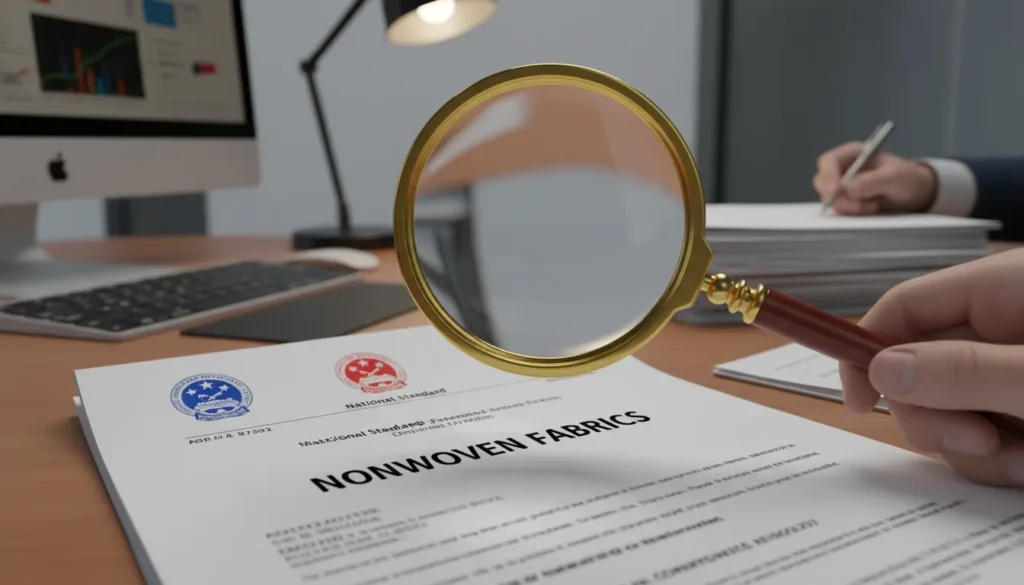
Recently, the Standardization Administration of China (SAC) officially released and implemented 8 national standards specifically for the nonwoven (non-woven fabric) industry. This move marks a transition for China’s nonwoven industry from simple capacity expansion to a new stage led by high-quality standards. The revised and newly added standards cover raw material requirements, production process specifications, and finished product testing criteria, aiming to eliminate technical barriers in the market through a unified technical language. For enterprises focused on long-term supply chain stability, the implementation of these new standards not only raises the entry threshold for products but also provides a clearer basis for material selection in downstream application fields.
New Procurement Guidelines for Battery Separators: Standardized Breakthroughs in Technical Evaluation Indicators

In these new national standards, the addition of evaluation criteria for battery separators has become an industry focus. As a critical safety barrier for lithium-ion batteries, nonwoven-based separators have long lacked a unified horizontal evaluation system for pore size distribution, thermal shrinkage, and mechanical strength. As mingtak noted in its industry trend observations, with the explosion in demand for electric vehicles and energy storage, buyers are increasingly relying on standardized data to assess material suitability when screening suppliers. The release of these new standards provides quantitative indicators for the chemical stability and physical durability of battery separators, helping buyers more accurately identify high-performance products in a complex market environment to ensure battery pack safety and longevity.
Flushable Nonwoven Evaluation System: Dual Guarantee of Environmental Protection and Functionality
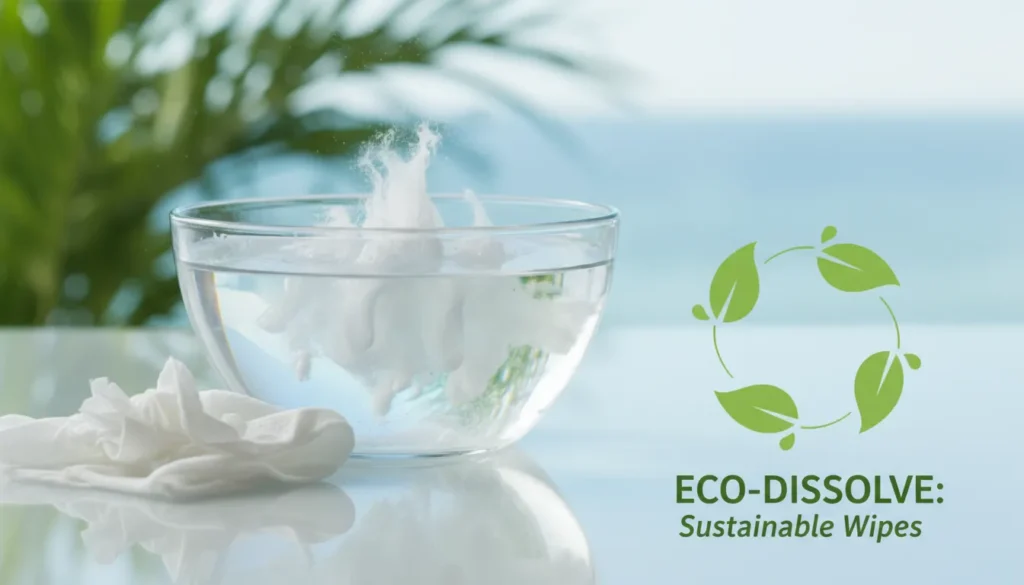
Beyond industrial applications, the ‘flushability’ evaluation standards in the consumer sector have also filled a long-standing gap. With the popularity of disposable hygiene products like flushable moist toilet paper, defining what is truly ‘flushable’ has been a challenge for municipal sewage systems and consumers alike. The new national standards specify in detail the dispersion rate of materials under hydraulic action, biodegradation rates, and their impact on piping systems. The establishment of this standard not only regulates the technical claims of manufacturers but also provides a legal basis for environmental supervision. For nonwoven producers, strict adherence to the new standards means effectively avoiding compliance risks while winning the trust of the green consumer market through technical upgrades.
The Logic Behind Industrial Upgrading: Shifting from Scale Expansion to Quality-Driven Growth

The concentrated implementation of these 8 new national standards is a significant milestone in the nonwoven industry’s shift from ‘quantity’ to ‘quality.’ By filling evaluation gaps in high-value-added fields such as battery separators and flushable products, the state is guiding enterprises to increase R&D investment and overcome challenges in high-performance fiber forming technology. For both buyers and producers, standards are no longer just a threshold but the core competitiveness of technical rivalry. In the future, as standards for more segmented fields are perfected, the bargaining power of Chinese nonwoven brands in the international market will significantly increase, and the overall risk resistance of the industrial chain will achieve a qualitative leap.