Global Demand for Nonwoven Fabrics Continues to Rise

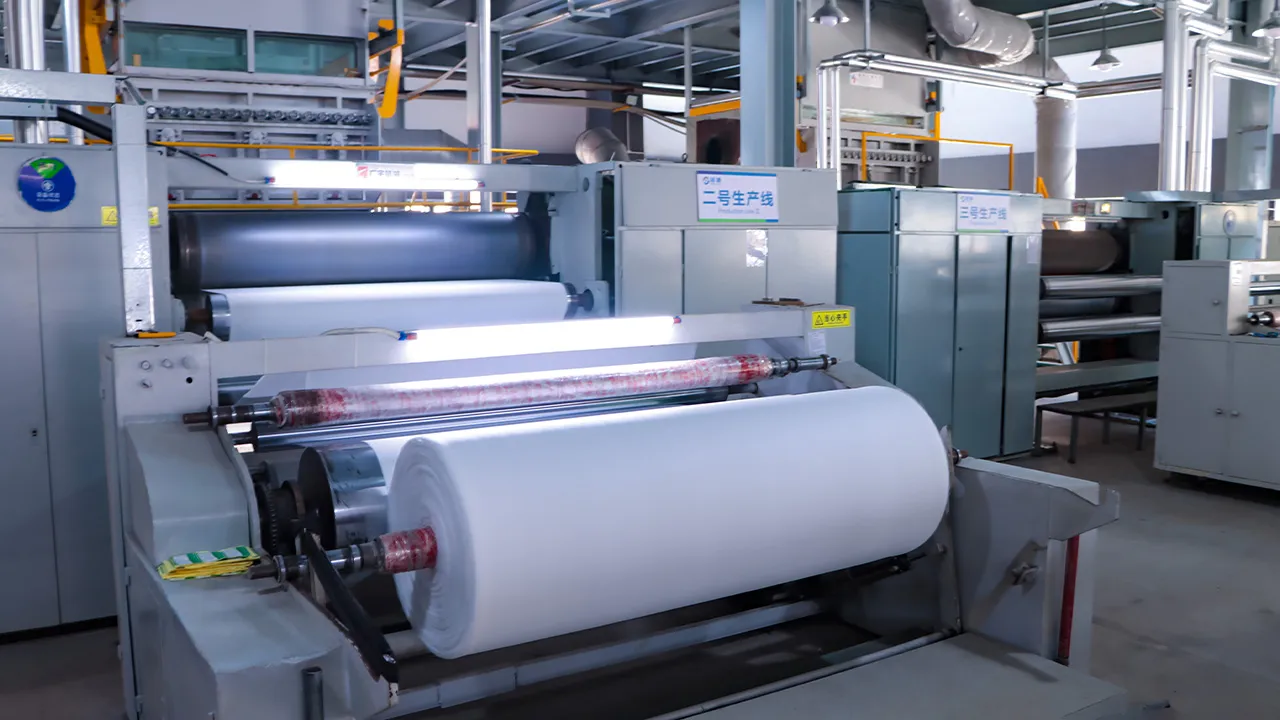
According to EDANA and INDA, nonwoven fabrics are experiencing robust growth worldwide. Applications in hygiene, medical, construction, and automotive industries drive the market steadily upward. Zhuhai Mingtak plays a crucial role in supplying high-quality products to meet this demand.
🍼 Key Driver 1:
Hygiene and Personal Care Industry
Baby Diapers and Feminine Hygiene Products
Nonwoven fabrics are essential for baby diapers, sanitary pads, and liners. Rising living standards globally ensure global demand for nonwoven fabrics continues to rise.
Adult Incontinence Products
An aging population increases demand for adult incontinence solutions, strengthening the market further.
🏥 Key Driver 2:
Medical and Healthcare Applications
Surgical Masks and PPE

Post-pandemic healthcare has kept demand high for surgical masks, gowns, and PPE. Nonwoven fabrics are central to safety and sterility.
Wound Care and Disposable Medical Textiles
Nonwoven fabrics provide comfort, sterility, and cost efficiency in wound care and other disposable medical applications.
🌱 Key Driver 3:
Sustainability and Eco-Friendly Materials

Eco-friendly nonwovens, including biodegradable and recyclable fabrics, help meet environmental regulations and consumer demand. This reinforces why global demand for nonwoven fabrics continues to rise.
🏗️ Key Driver 4:
Construction and Industrial Applications
Nonwoven fabrics are used in geotextiles, roofing membranes, and insulation, improving durability, water management, and soil stabilization.
🚗 Key Driver 5:
Automotive and Transportation Sector
Lightweight nonwoven components improve vehicle fuel efficiency and noise reduction, making them increasingly sought after.
⚙️ Technological Innovations at Zhuhai Mingtak
Zhuhai Mingtak employs spunbond, meltblown, and composite technologies to deliver high-quality nonwoven fabrics that meet strict global standards.
🌏 Regional Market Insights
Asia-Pacific leads global demand, followed by Europe and North America. Emerging markets in Africa and Latin America are accelerating adoption.