EV Demand Surge: Global Automotive Non-woven Fabric Market to Surpass 1.8 Million Tons by 2026

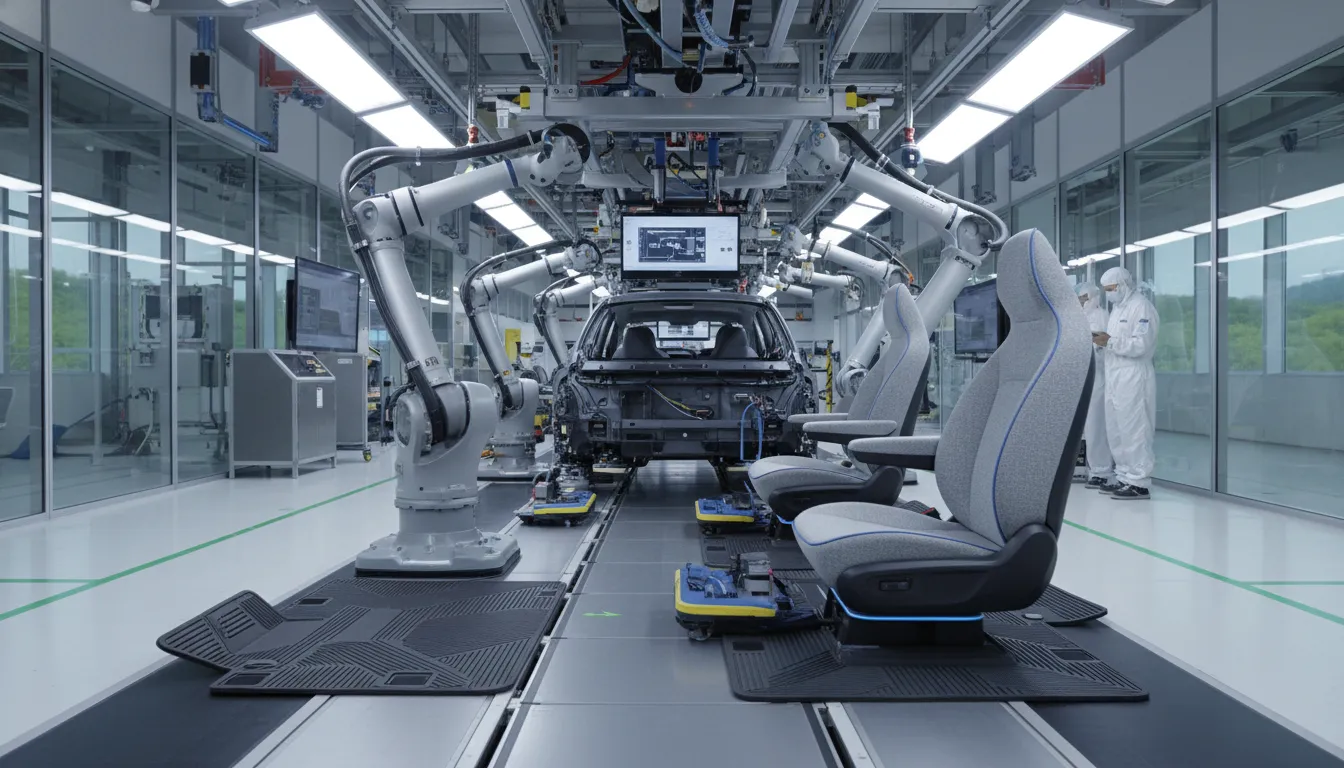
As global EV penetration rises, the automotive non-woven fabric market is seeing explosive growth. Expected to exceed 1.8 million tons by 2026, this article analyzes key trends in lightweighting, acoustics, and eco-friendly materials.
How the Global EV Market Drives Demand for Automotive Non-woven Fabrics
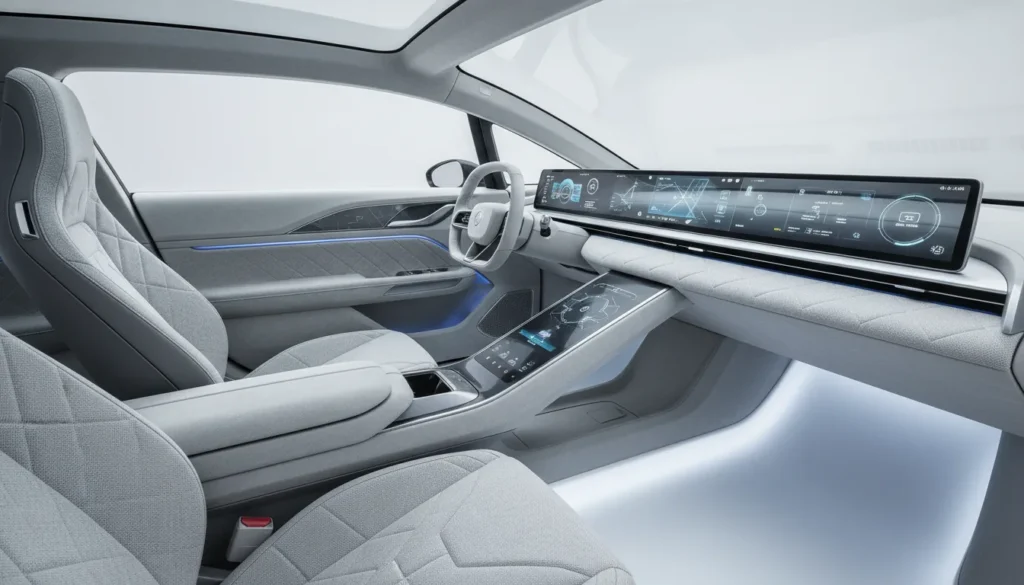
The global automotive industry is undergoing a profound shift from internal combustion engines to electrification. With the surge in New Energy Vehicle (NEV) production, the application of automotive non-woven fabrics has expanded from traditional seat linings and carpets to battery separators, wheel arch liners, and complex NVH (Noise, Vibration, and Harshness) control systems. Since EVs lack engine noise, road and wind noise become more prominent, driving an exponential increase in demand for high-performance acoustic non-woven fabrics. Furthermore, the pursuit of driving range makes ‘lightweighting’ a top priority in material selection, where non-woven fabrics are replacing traditional woven textiles and plastic parts due to their superior strength-to-weight ratio.
2026 Market Forecast: Lightweighting and Sustainability as Core Drivers
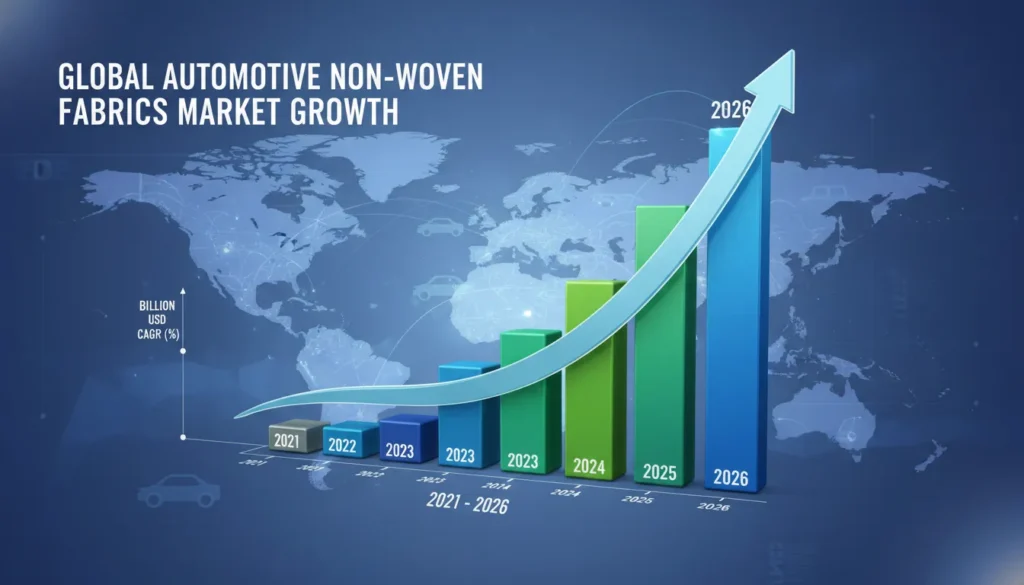
According to market research data, global consumption of automotive non-woven fabrics is projected to exceed 1.8 million tons by 2026. This growth stems not only from increased vehicle production but also from higher material usage per vehicle. As mingtak noted in recent industry trend reports, global automakers are accelerating the transition from petroleum-based materials to recyclable, bio-based non-woven fibers to meet increasingly stringent carbon neutrality regulations. Under the lightweighting trend, components manufactured using thermoplastic composites and needle-punched non-woven technology can reduce weight by 20%-30% compared to traditional materials. This upgrade optimizes energy consumption and offers significant technical premium opportunities for supply chain providers.
Procurement Focus: Application Scenarios for High-Performance Non-wovens
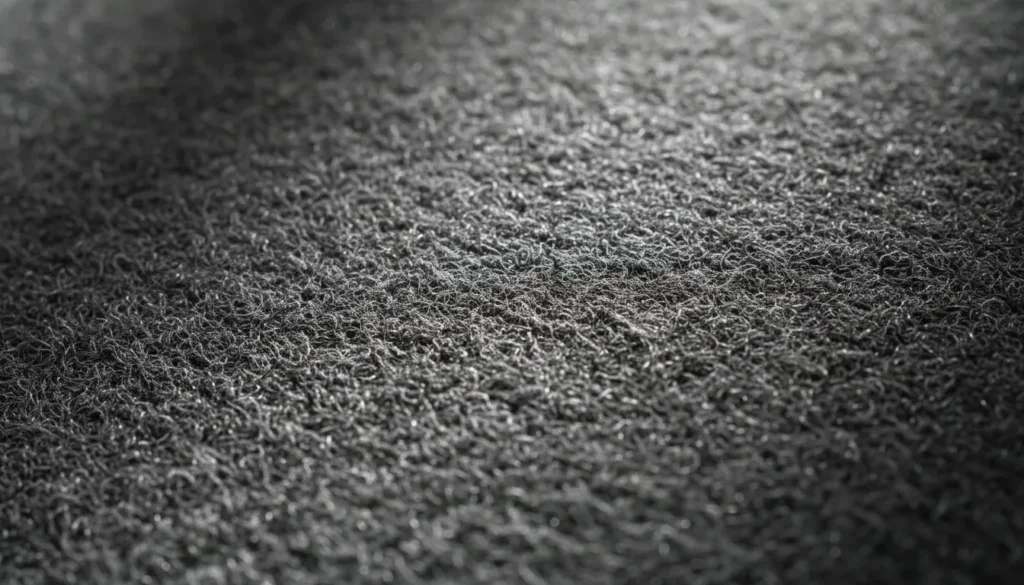
For automotive procurement professionals, supplier selection criteria have shifted beyond price to include multi-functional integration. Currently, non-woven fabrics play a critical role in interior trim, air filtration systems, and structural reinforcements. For instance, in headliners and pillar covers, buyers prefer microfiber non-wovens with excellent scratch and UV resistance. Meanwhile, in air filtration, melt-blown non-wovens capable of filtering micron-sized particles have become standard in EV air purification systems. As autonomous driving technology evolves, the acoustic environment of the cabin becomes more vital, making porous acoustic non-wovens a core solution for enhancing passenger comfort.
Supply Chain Challenges and the New Normal of Global Sourcing
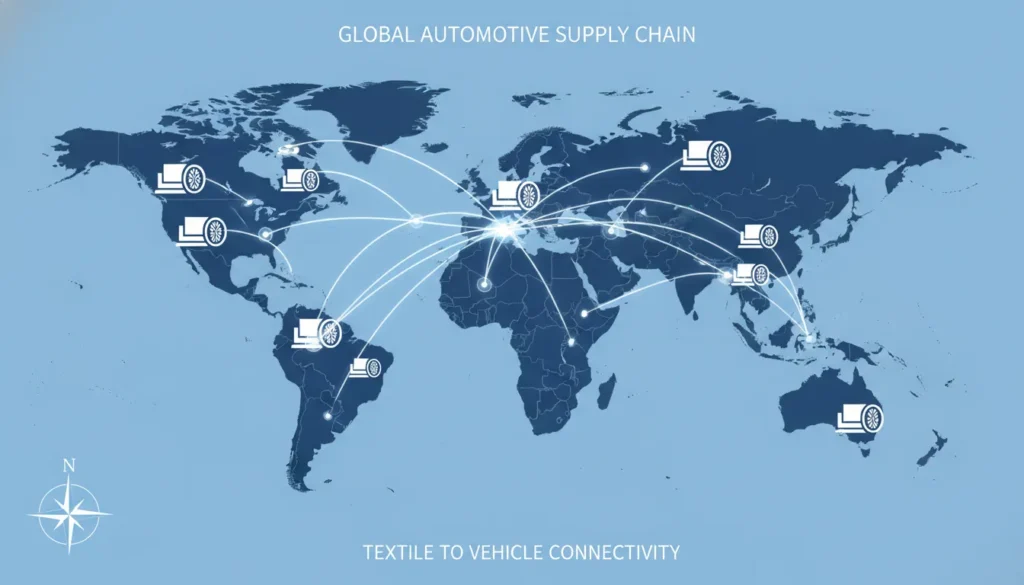
Despite a bright market outlook, global supply chain volatility remains a major challenge for automakers. Rising raw material costs and cross-border logistics uncertainties are forcing buyers to re-evaluate their sourcing strategies. Leading automotive OEMs are now seeking a balance between cost, efficiency, and resilience through a ‘regional production, global coordination’ model. In this environment, non-woven enterprises with R&D capabilities and stable production capacity will secure more long-term contracts. Particularly in the development of core EV components, buyers prefer strategic partnerships with suppliers who can provide customized solutions to solve durability challenges of lightweight materials in complex environments.